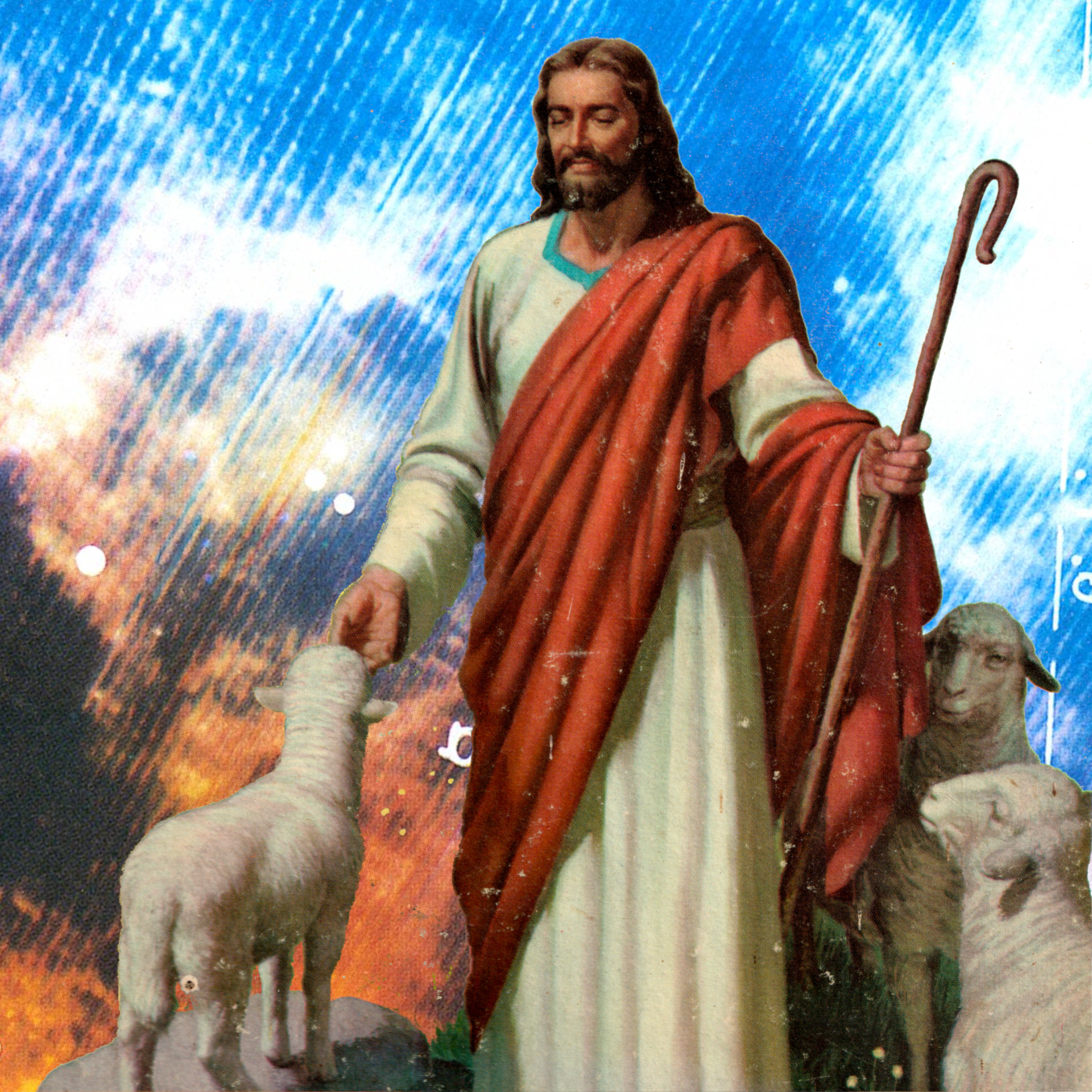
According to Bible.com "[The] gospel is the translation of the Greek noun euangelion.. “good news,” and the verb euangelizo, meaning “to bring or announce good news.” Both words are derived from the noun angelos, “messenger.” In classical Greek, an evangelos was one who brought a message of victory or other political or personal news that caused joy."
it could also be said practically that the "gospels" are the stories and accounts of the life of Jesus Christ, (Yeshua Hamaschiach), but they also carry the "Good news of salvation"; (See "The Parable of the Vineyard")
When we read scripture, we must make a few important distinctions;
Some of it is considered history, some of it's philosophical reasoning, and some of it's commentary and peoples opinions.
In "The Bible" There are 2 parts, and 7 distinct sections;
The first is known as the "Old Testament" (also known as The Tanakh), and then there is the "New Testament";
Within these parts, we have 7 distinct sections
First off is "The Torah" or "Law" (The first 5 books),
Why do we rely on "The Gospel, The whole Gospel, and nothing but the gospel"?,
It's a bit of a play on words, and we must take into account the context of the whole book, and what's being said, where;
But there *Seem* to be some contradictions relating to the apostle Paul, in the Epistles,
It's written in the second book of Peter (23:19) That Paul is sometimes hard to understand,
and he demonstrates on multiple occasions that he is "Pro Torah", (See Romans 3:31 and Acts 21-24) but there seem to be some instances where he appears to advocate for disregarding the Torah or "The laws of God".
Christ himself said "' “Do not think that I have come to abolish the Law or the Prophets; I have not come to abolish them but to fulfill them. For truly, I say to you, until heaven and earth pass away, not an iota, not a dot, will pass from the Law until all is accomplished. Therefore whoever relaxes one of the least of these commandments and teaches others to do the same will be called least in the kingdom of heaven, but whoever does them and teaches them will be called great in the kingdom of heaven. (Matthew 5:17-19)
That's pretty clear, and we believe that Christ has more authority than paul, despite whatever philosophical arguments he was trying to make;
Our team has not yet resolved these incongruencies fully, and thus we err on the side of caution, but we believe that they are mostly down to greek mistranslations.
It must also be noted, that the word "Fulfill", (as written above,) is the Greek word "Plerosai", which can mean to "Pack, Complete, fill, crown, or to exemplify" -To bring out the "True meaning of;"
Christ did not come to abolish the law, Also instructing his followers; 'If you love Me, keep My commandments(Torah), ' (John 14:15)
When pressed by the Pharisees in The book of Mark (12:29-31) he states:
"...“The most important [Commandment] is [this], ‘Hear, O Israel: The Lord our God, the Lord is one. And you shall love the Lord your God with all your heart and with all your soul and with all your mind and with all your strength.’ The second is this: ‘You shall love your neighbor as yourself.’ There is no other commandment greater than these.” '
But the saying "whoever relaxes one of the least of these commandments and teaches others to do the same will be called least in the kingdom of heaven, but whoever does them and teaches them will be called great in the kingdom of heaven." is still a very present thing;
speaking honestly, Christ did say 'All things, therefore, whatever you may will that men may be doing to you, so also do to them, for this is the Law and the Prophets. 'so that's open to personal interpretation aswell; (Matthew 7:12)
Yeshua also spoke in John 15:9-11 saying:
"'As the Father has loved me, so have I loved you. Abide in my love. If you keep my commandments, you will abide in my love, just as I have kept my Father’s commandments and abide in his love. These things I have spoken to you, that my joy may be in you, and that your joy may be full. '
so there is *potentially* an argument that all we have to do is love each other; (Referencing John 15:12 : 'This is My command, that you love one another, according as I loved you; ')
But Christ himself, does teach that :He who teaches the Torah will be great in the Kingdom of Heaven;
Therefore, Here; we teach the Torah,
but remember;
The most IMPORTANT thing;
"The Lord our God, the Lord is one.
And you shall love the Lord your God with all your heart and with all your soul and with all your mind and with all your strength."
"The second [most important thing] is this: ‘You shall love your neighbor as yourself."
There is no other commandment greater than these.” '